
Quick Recap
- The story begins with Kliff, while Damiane and Oongka unlock later with different combat styles and quests.
- Combat encourages dodging, counters, weapon switching, and reacting to enemy behavior.
- Boss fights often have multiple phases, forcing players to adapt strategies mid battle.
- Exploration is key, using mounts, climbing, gliding, and fast travel points across Pywel.
- Progression focuses on skills, artifacts, gear upgrades, and crafting, not traditional leveling.
- Exploring side content and upgrading gear early makes the game much easier later.
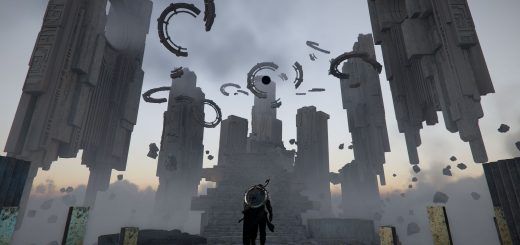
Crimson Desert throws players into the vast continent of Pywel with a complex combat system, multiple playable characters, and a world packed with secrets. For new players, the first hours can feel overwhelming because the game combines open world exploration, combo based combat, and a progression system that works differently from many traditional RPGs.
This beginner guide explains the most important systems you should understand before starting your adventure so you can avoid early mistakes and enjoy the game’s world more efficiently.
Understand the Playable Characters
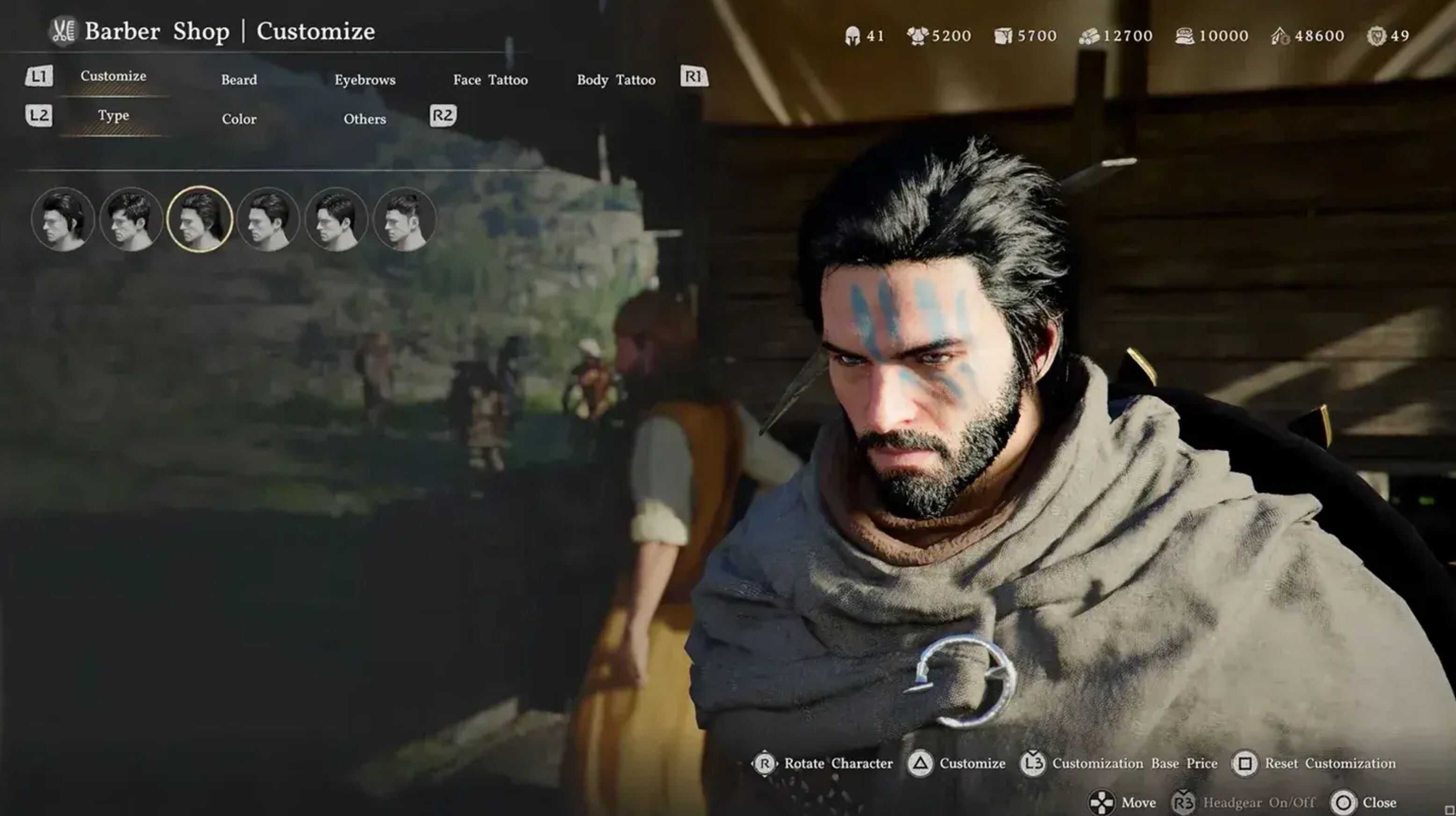
Unlike many RPGs, Crimson Desert does not start with a character creator. Instead, the story follows a main protagonist named Kliff, while two additional characters unlock later in the narrative. Each one has a different combat style and their own abilities and weapons.
| Character | Combat Focus | Unique Feature |
| Kliff | Balanced melee, main story lead | Primary protagonist, broadest weapon access |
| Damiane | Agile, combo-oriented | Separate questline, distinct skill set |
| Oongka | Heavy and grapple-focused | Confirmed fishing feature involvement |
Each character also has separate skill trees and side quests. Playing through their questlines can unlock additional gear and abilities that are not available through the main story alone.
Learn the Combat System Early
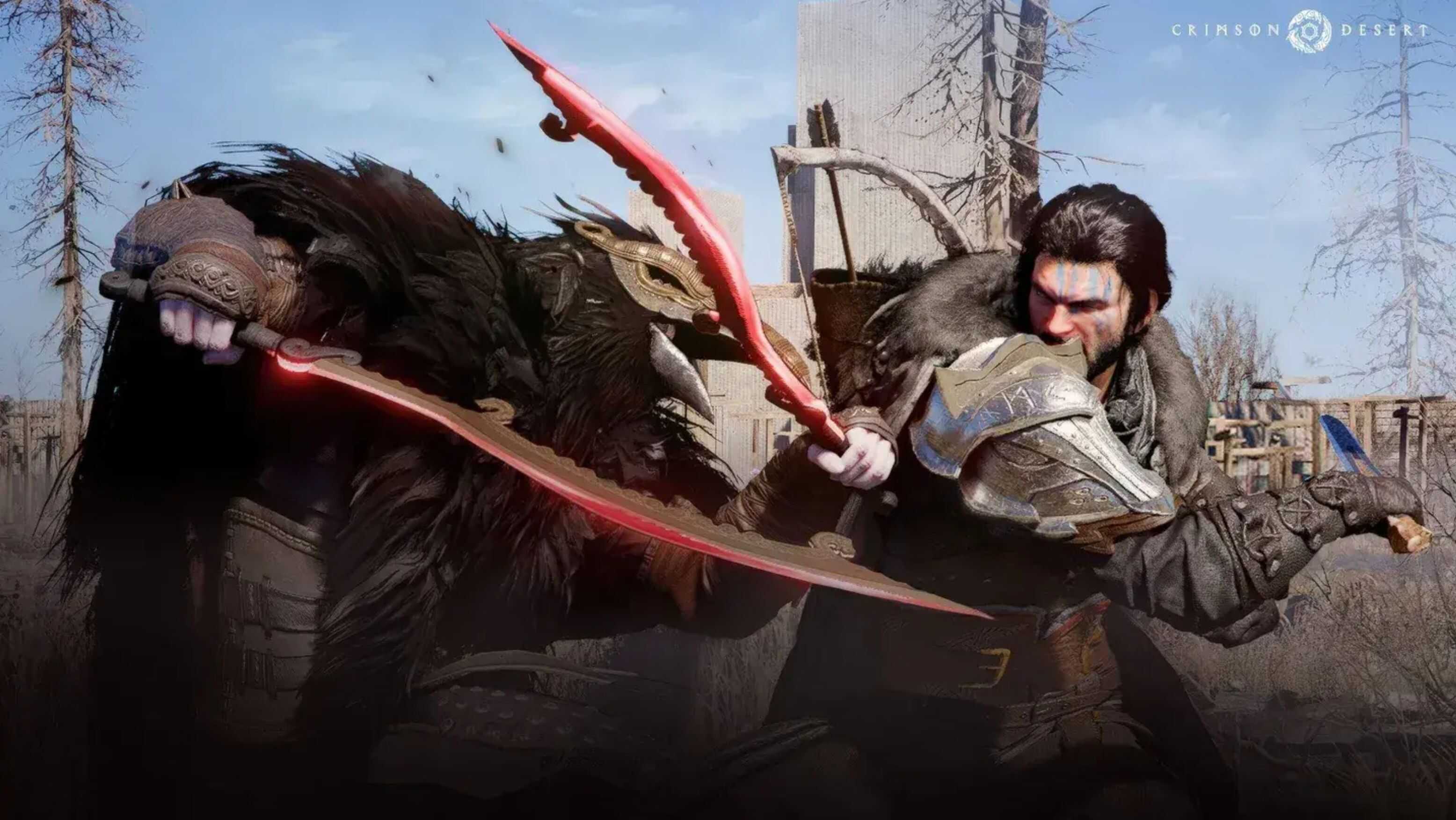
Combat in Crimson Desert is designed to be flexible rather than rigid. Instead of fixed attack combos, players are encouraged to mix weapons, movement, and environmental interactions during fights.
Some important combat mechanics to master early include:
- Dodging and counters to avoid damage instead of relying only on blocking
- Weapon switching during fights to adapt to different enemies
- Grapples and throws to stun enemies or control crowds
- Arrow deflection to counter ranged attackers
Enemies also have different behaviors and attack patterns, which means reacting to the situation is more effective than repeating the same attack sequence.
Boss Fights Have Multiple Phases
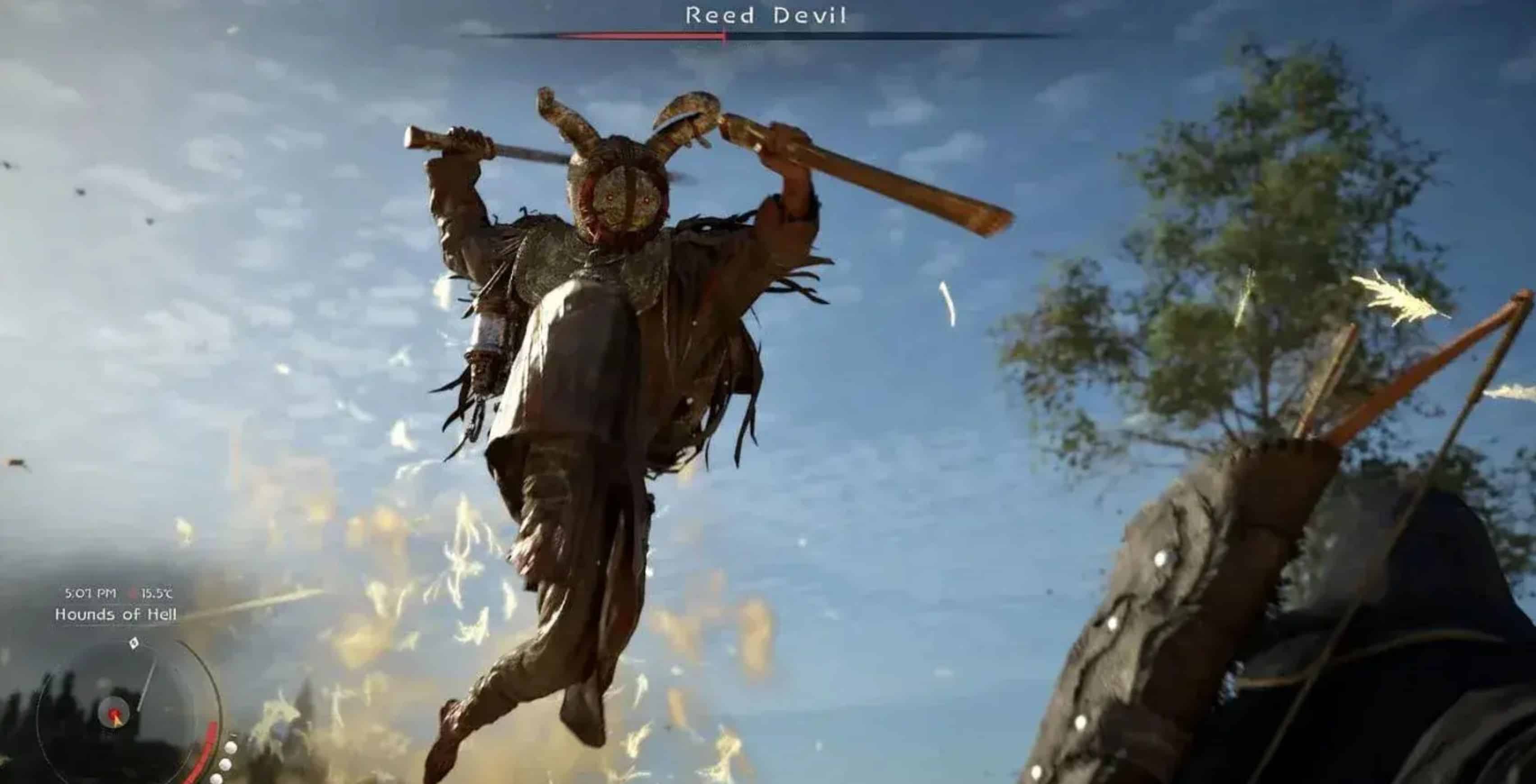
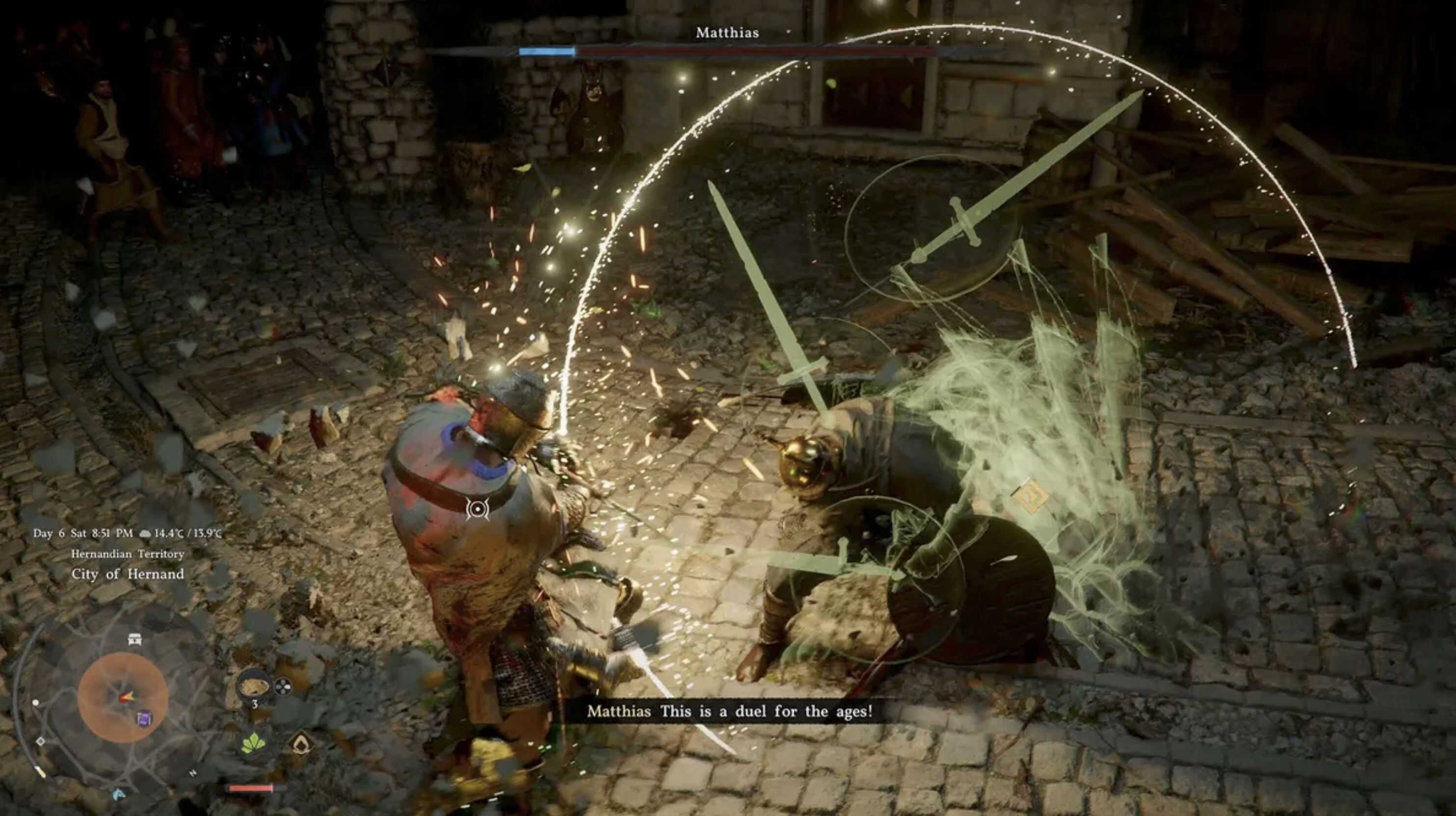
Boss battles in Crimson Desert are not simple encounters. Many bosses change their attack patterns during the fight, forcing players to adapt their strategy. Health bars often reset between phases, signaling that the battle has become more dangerous.
For example, the color of a boss health bar may change during different phases, indicating stronger attacks or new mechanics. Recognizing these transitions is important because continuing to fight with the same strategy can quickly lead to defeat.
Bosses can also drop powerful gear that carries signature abilities, which can significantly improve your character’s combat options.
Explore the World of Pywel
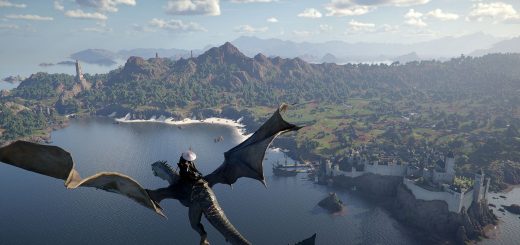
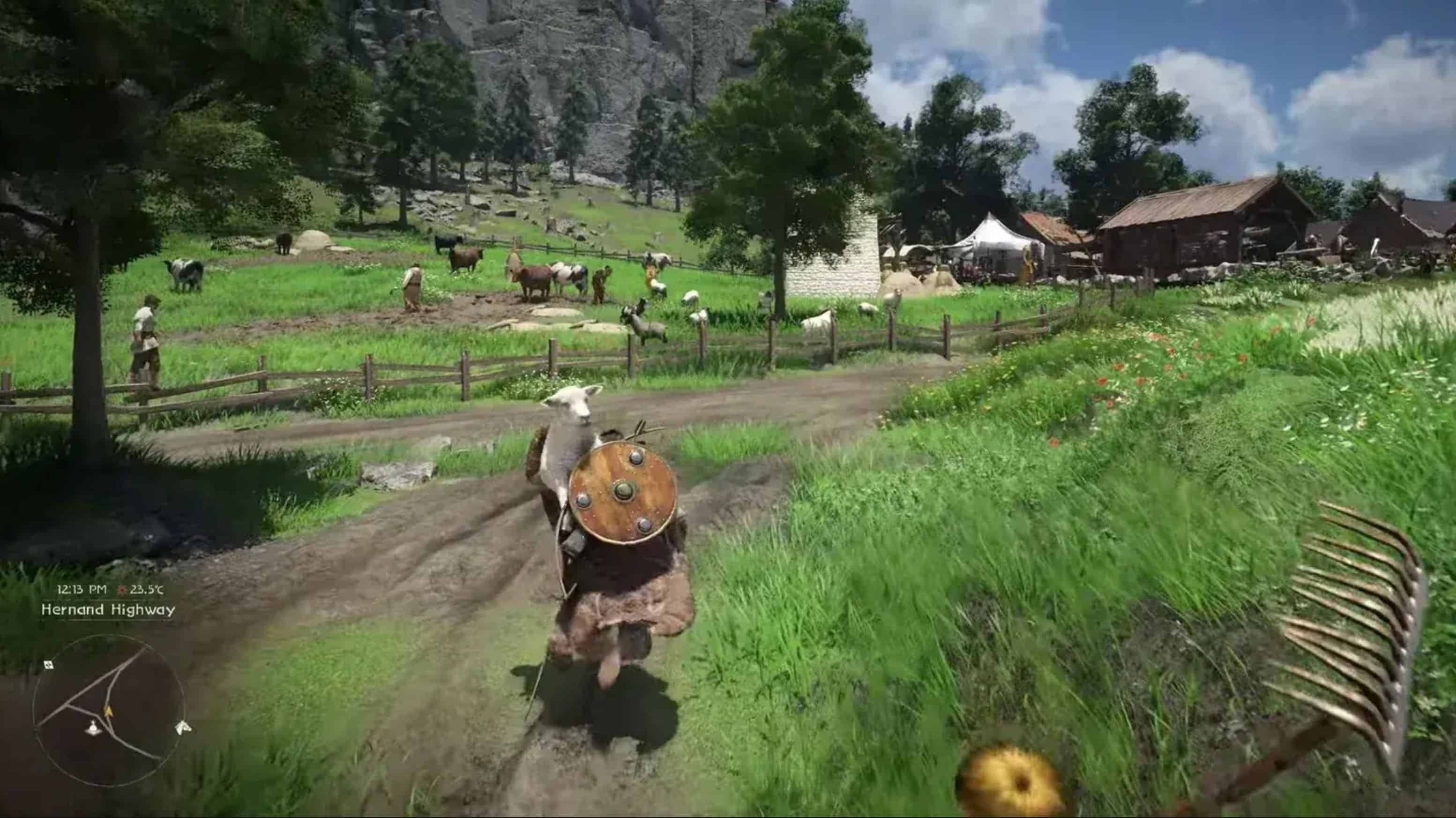
Pywel is a large open world divided into several regions, each with its own environment, enemies, and activities. Exploration is a major part of progression in Crimson Desert.
Players can travel across the world using different methods:
- horseback riding
- climbing cliffs and terrain
- gliding across large distances
- discovering fast travel points called Traces of the Abyss
Finding these fast travel locations early can save a lot of time later in the game when returning to previous areas for quests or resources.
Progression Works Differently Than Most RPGs
Crimson Desert does not rely on a traditional experience points leveling system. Instead, character growth comes from skills, gear upgrades, and special artifacts found throughout the world.
Players improve their abilities by:
- unlocking skills through character skill trees
- collecting Abyss Artifacts from quests and exploration
- upgrading equipment and crafting weapons
- equipping gear that enhances combat abilities
Because progression is tied closely to exploration, players who search for hidden locations and complete side content will grow stronger faster.

Don’t Ignore Crafting and Gear Upgrades
Equipment plays a major role in surviving tougher enemies and boss fights. Weapons and armor can be upgraded or crafted, providing stat boosts and new combat advantages.
Some crafted gear can even enhance abilities in ways that regular loot cannot. This makes crafting an important part of preparation before major encounters.
Take Your Time and Experiment
Crimson Desert rewards players who engage with its systems instead of rushing through the main story. Exploring side quests, experimenting with different combat techniques, and learning how gear and abilities interact will make the experience much smoother.
The world of Pywel is built around discovery. Players who experiment with the game’s mechanics, learn enemy patterns, and explore different regions will find the adventure far more rewarding than those who simply rush from mission to mission.
If you are starting Crimson Desert for the first time, focus on mastering the combat rhythm, exploring every region carefully, and upgrading your gear whenever possible. Once these systems click together, the game opens up into one of the most dynamic RPG experiences currently available.