Quick Recap
- Crimson Desert is a large sandbox RPG that takes time to fully understand.
- Progression does not come from XP. It comes from gear, upgrades, abilities, and exploration.
- The story follows Kliff and the Greymanes, but the world also has faction conflict and Abyss mysteries.
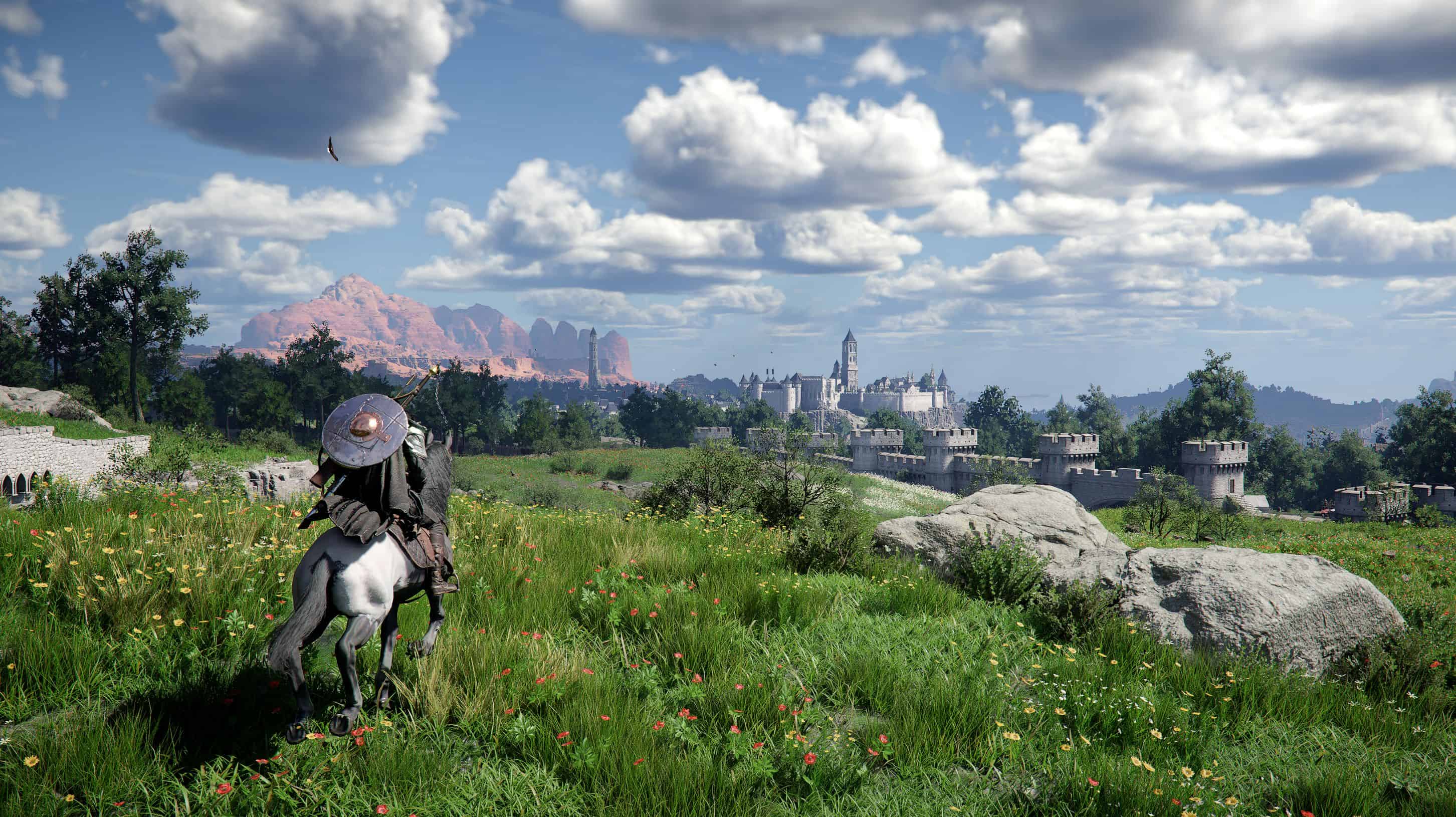
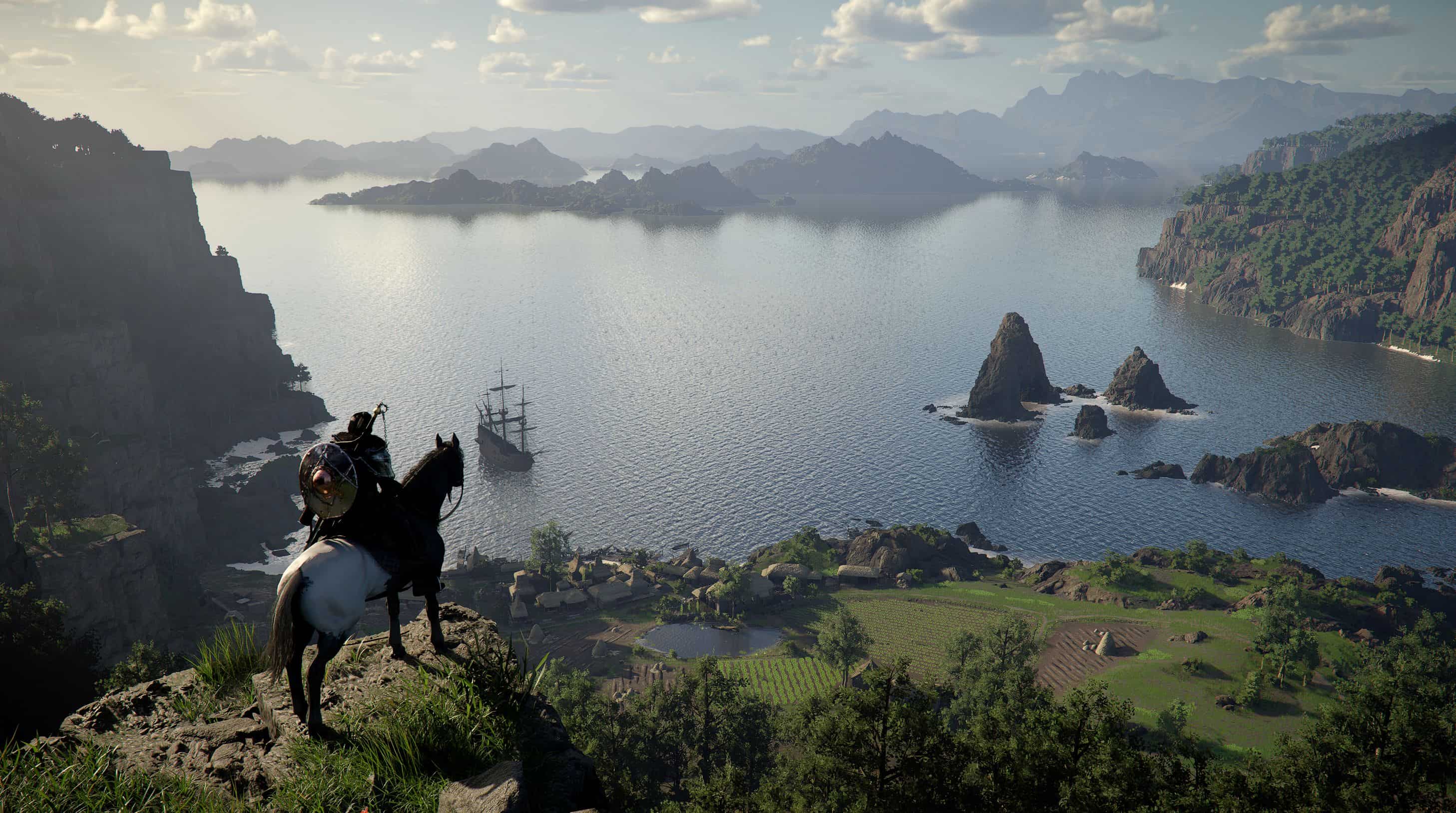
- Exploration matters a lot because Pywel is huge, varied, and built with vertical layers.
- Movement is a major system, with climbing, gliding, grappling, and stamina management.
- Combat is deep and flexible, while bosses test how well you adapt to different enemy types.
- The game rewards curiosity, preparation, and experimenting with its many systems.
Crimson Desert is not just another open world RPG. It is a massive sandbox driven experience that mixes combat, exploration, survival elements, and storytelling into one huge system. From everything shown so far, this is a game that does not fully reveal itself in the first few hours. It takes time to understand how everything connects.
If you are planning to jump in on day one, there are a few important things that will make your experience much smoother.
This Is a Long Game, Much Longer Than You Expect
If you focus only on the main story, you are still looking at around 40 hours. But that is just the surface. Once you start exploring, doing side content, and experimenting with systems, the playtime can easily stretch into hundreds of hours. This is not a game built for rushing. The more time you spend exploring and learning, the more it opens up.
It Is Not a Traditional RPG
One of the biggest misconceptions is thinking this works like a classic RPG. There is no simple leveling system where you grind enemies and get stronger through XP.
Instead, progression comes from what you do in the world.
You improve by:
- finding better gear
- upgrading equipment
- unlocking abilities
- exploring hidden systems tied to the Abyss
It feels more like a sandbox where your power comes from understanding the game, not just playing longer.
The Story Is Personal, But the World Is Not
You play as Kliff, part of a mercenary group called the Greymanes. Early on, everything falls apart, and your journey becomes about rebuilding what was lost.
But the story is not isolated. The world itself is unstable. With the king gone, factions are fighting for control, and you are constantly moving through that tension.
At the same time, there is something bigger happening with the Abyss, which seems to connect to your abilities and the deeper mystery of the world.
The Map Is Huge, But Also Layered
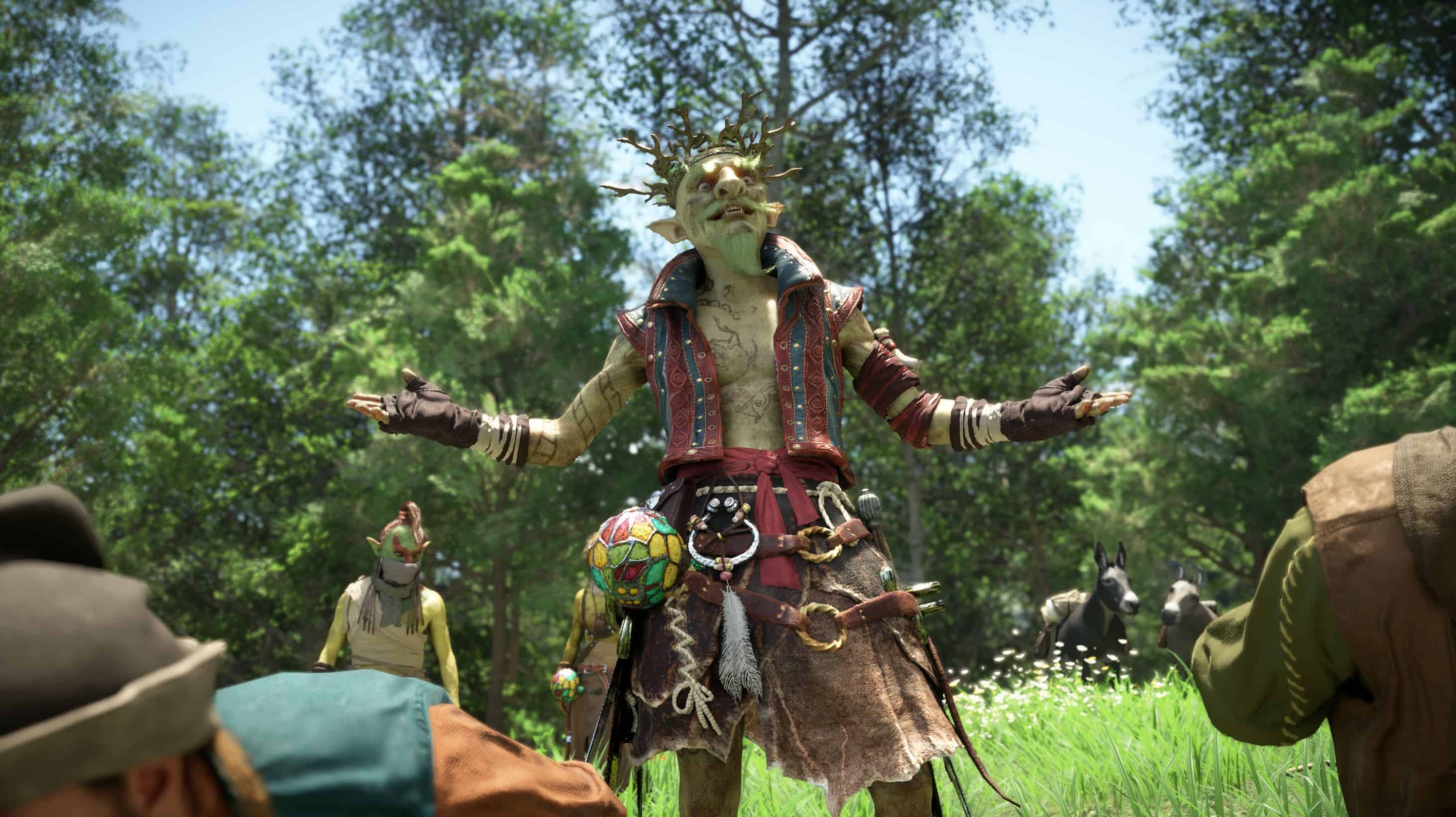
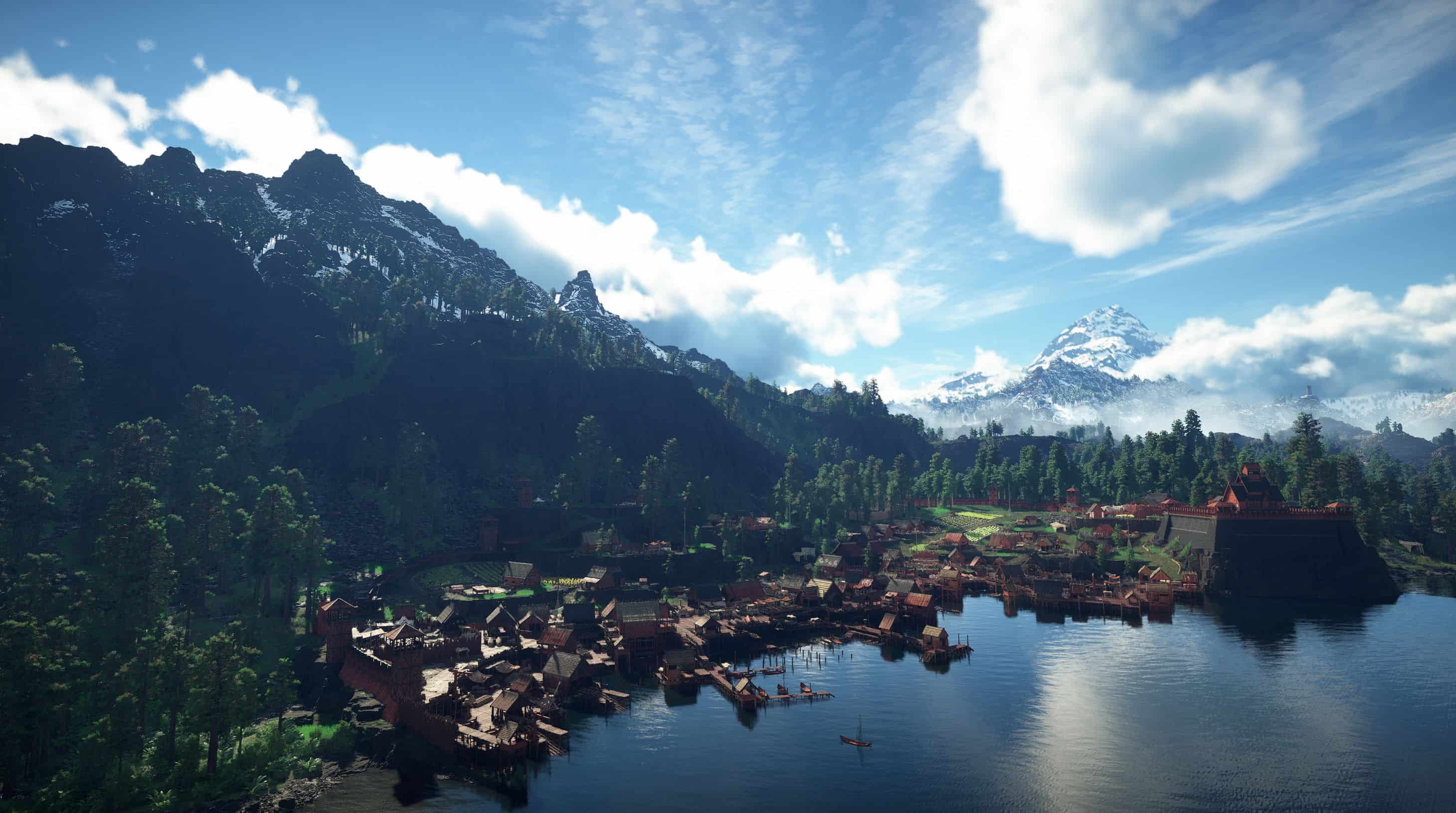
Pywel is not just big, it is varied. Each region feels different, both visually and in terms of gameplay.
Instead of listing everything, think of it like this:
- some regions feel structured and political
- others feel wild and unpredictable
- some are built around danger rather than safety
And then there is the Abyss above everything, adding a vertical layer to exploration with floating challenges and encounters.
Movement Is a Core Part of the Game
You are not just traveling from point A to B.
Movement includes:
- climbing and stamina management
- gliding across terrain
- using abilities to launch or reposition
- grappling into the air
At times, just moving through the world feels like its own gameplay system.
Combat Is Complex, But Flexible
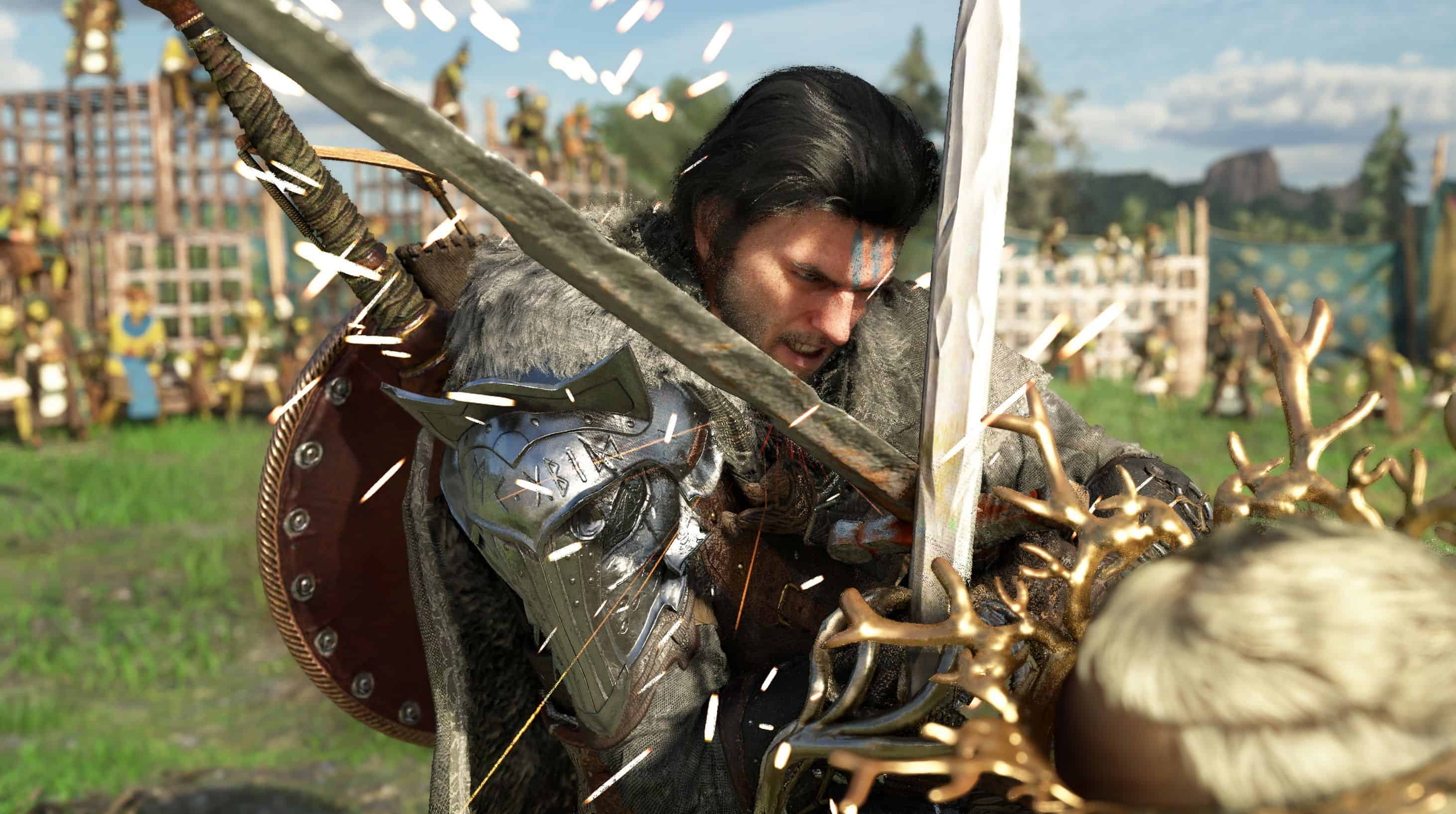
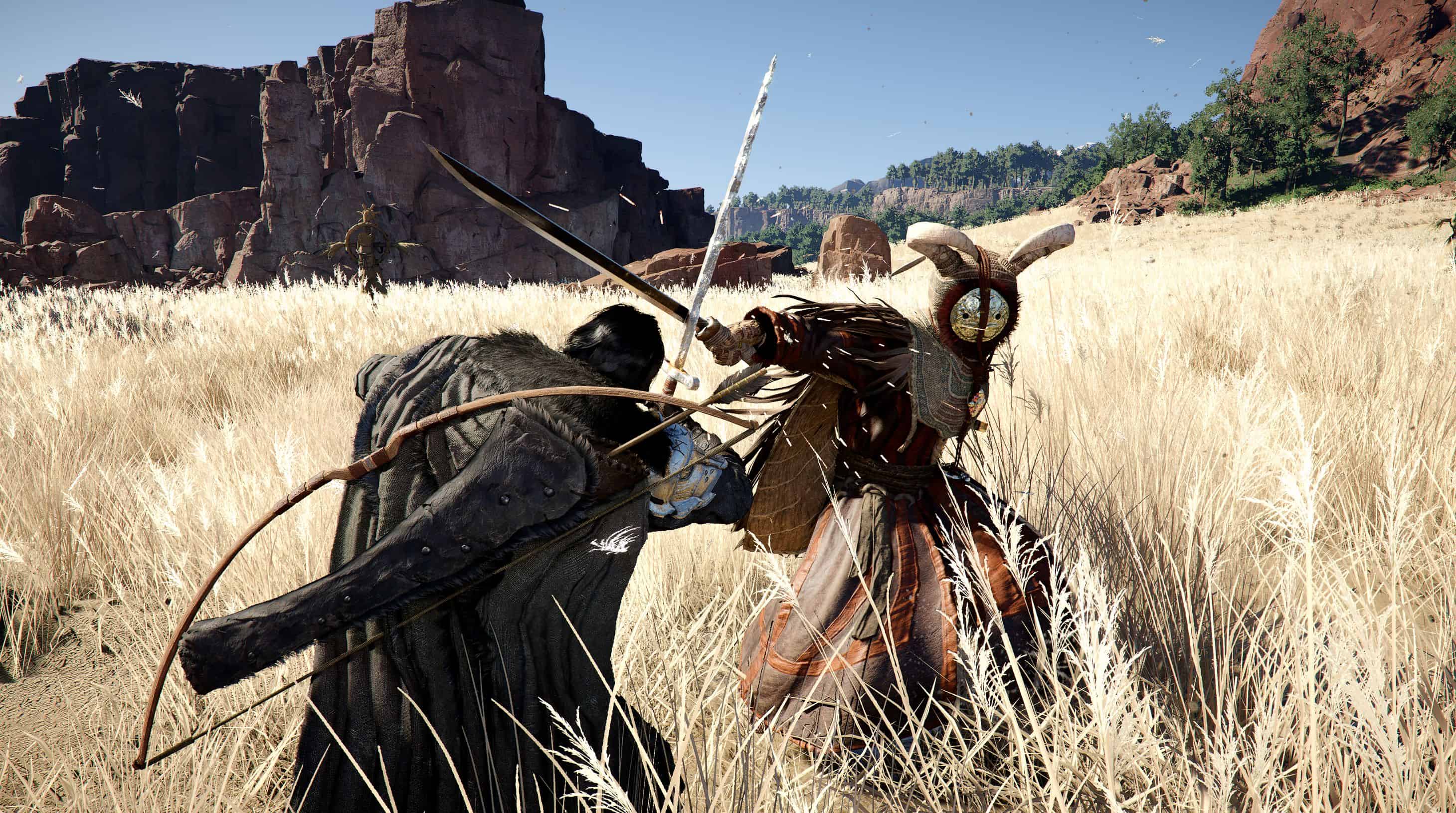
Combat is one of the most layered parts of Crimson Desert, and it can feel overwhelming early on.
You are working with:
- light and heavy attack systems
- weapon specific abilities
- blocking and timed deflections
- dodging and positioning
- grappling enemies
- ranged combat options
The important thing is you are not expected to master everything instantly. The system is designed so you gradually build your own style.
Boss Fights Are a Big Deal
Bosses are not just stronger enemies. They are designed to test how well you understand the combat system.
There are four main types:
- human enemies
- beasts
- mechanical enemies
- magical or sorcery based bosses
Each type behaves differently, which means you cannot rely on one strategy for everything.
Difficulty Is Player Driven
There is only one difficulty setting, but the game still gives you control. If you prepare properly, upgrade your gear, and use systems like cooking, fights become much more manageable. If you rush in unprepared, even normal encounters can feel difficult. Your experience depends more on your choices than a menu setting.
The Sandbox Systems Matter More Than You Think
This is not just a combat and story game. There are multiple systems running in the background that affect your experience.
You can:
- gather resources
- cook food for healing and buffs
- hunt and craft
- interact with systems like reputation and crime
These are not side features. They directly impact how easy or difficult your journey becomes.
The Greymane Base Is Your Hub
As you progress, you rebuild your faction.
This includes:
- recruiting members
- sending them on missions
- upgrading your base
- managing resources
It adds a strategic layer to the game that goes beyond just playing as a single character.
Progression Is More Than Just Gear
Yes, equipment matters, but it is not the only system.
There is also:
- a skill tree focused on stamina, health, and spirit
- abilities tied to the Abyss
- a system where you can learn moves by observing enemies
That last one is especially interesting. Instead of unlocking everything through menus, you can learn by paying attention to how enemies fight.
Three Playable Characters
You mainly play as Kliff, but there are two additional playable characters with their own playstyles and skill trees. You cannot freely use them in the main story at all times, but outside of that, they offer different ways to approach the game. There is no full character creator, but you can customize appearance details like outfits and hairstyles.
The Game Rewards Curiosity
If there is one thing that stands out, it is that Crimson Desert is built around curiosity.
It rewards players who:
- explore instead of rushing objectives
- experiment with systems
- learn how mechanics interact
If you treat it like a checklist driven RPG, you will miss a lot of what makes it interesting.
What This Means Before You Start
Crimson Desert is not trying to guide you through a simple path. It is giving you a world and a set of systems, then letting you figure out how to use them.
The first few hours might feel overwhelming, and that is normal. Once you start understanding how movement, combat, and progression connect, the game begins to feel much more natural.
And that is really the key to enjoying it. Take your time, experiment, and let the systems come together instead of trying to master everything at once.